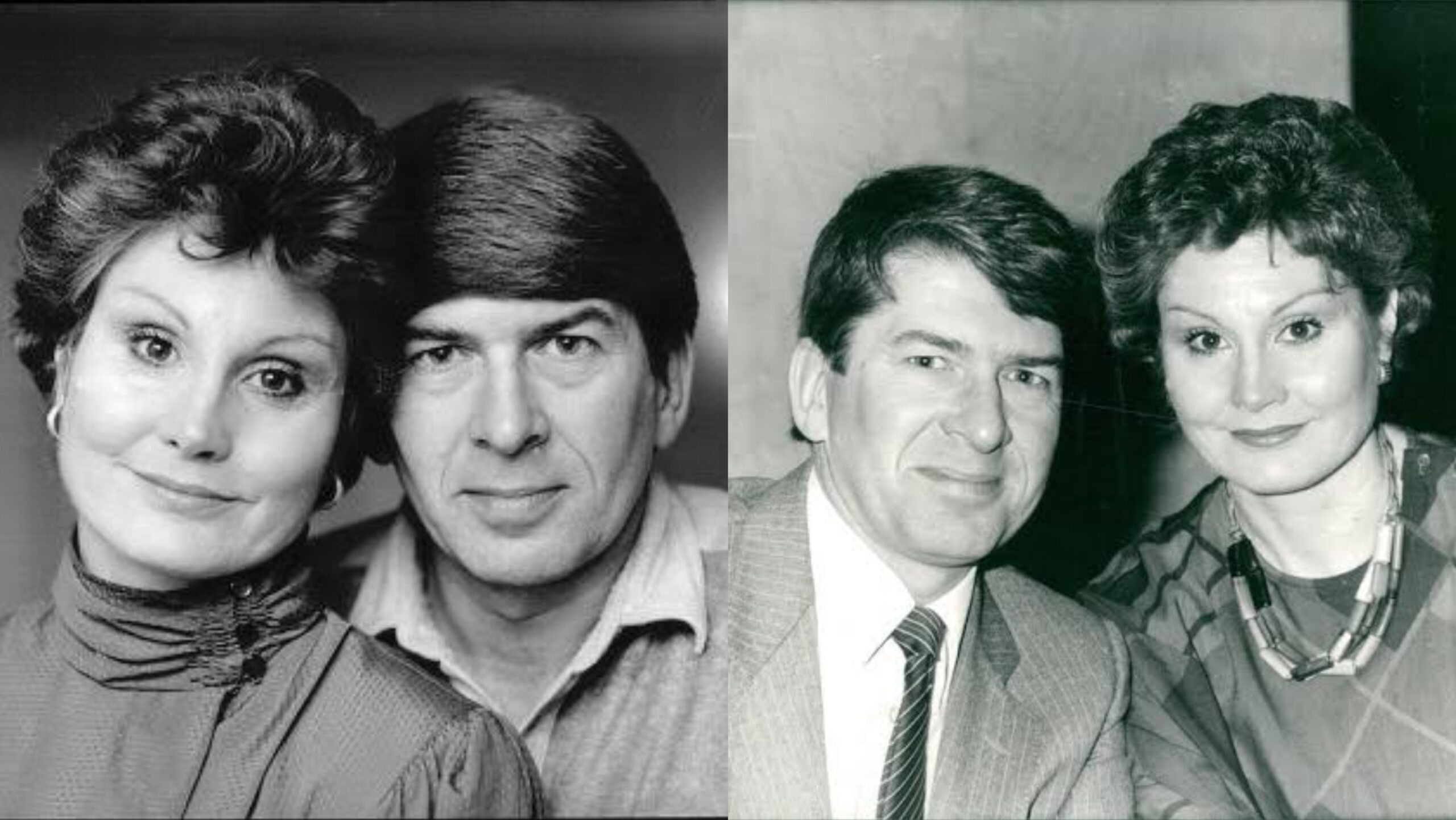
Christopher Dare: A Pillar of Modern Psychological Thought
The landscape of psychology is dotted with brilliant minds who have fundamentally reshaped our understanding of the human condition. Among these influential figures, the name Christopher Dare stands out as a beacon of innovation, particularly within the realms of family therapy and eating disorder treatment. His work, though not always in the public spotlight, has had a profound and lasting impact on clinical practice, offering new hope and effective strategies for individuals and families grappling with complex psychological issues. This comprehensive exploration delves into the life, theories, and enduring legacy of Christopher Dare, positioning his contributions within the broader context of therapeutic evolution. We will unpack the core principles that guided his work, examine the practical applications of his models, and analyze why his insights remain critically relevant for today’s practitioners and patients alike. To fully appreciate the significance of his career, one must understand the clinical challenges he sought to overcome and the intellectual environment in which his pioneering ideas were forged.
Early Life and Academic Foundations
The professional journey of Christopher Dare was rooted in a deep-seated intellectual curiosity about human relationships and psychopathology. His early academic and clinical training provided a fertile ground for the development of his later, more integrative theories. He was influenced by the dominant psychological paradigms of his time, yet he maintained a critical and innovative perspective that would eventually lead him to challenge conventional wisdom.
His formative years in the field exposed him to the limitations of strictly individual-focused therapies, particularly when dealing with conditions like anorexia nervosa that seemed inextricably linked to family dynamics. This clinical observation became the catalyst for his lifelong dedication to understanding and treating eating disorders through a relational lens. The early professional path of Christopher Dare was not a straight line but a process of synthesis, drawing from psychoanalysis, systems theory, and social anthropology to build a more robust framework for healing.
The Maudsley Approach and Family Therapy
One of the most significant contributions of Christopher Dare was his instrumental role in developing the Maudsley Approach, also known as Family-Based Treatment (FBT), for anorexia nervosa. This model represented a radical departure from the traditional methods that often blamed parents or separated the adolescent from their family during treatment. Instead, the Maudsley Approach views the family not as the cause of the illness but as the most vital resource for recovery, empowering parents to take an active role in renourishing their child.
The methodology is typically conducted in three distinct phases, each with a clear focus and set of objectives. The first phase is entirely dedicated to weight restoration, with therapists coaching parents to manage their child’s eating. The second phase involves a careful and gradual return of control over eating back to the adolescent. Finally, the third phase addresses broader adolescent development issues and establishes healthy family boundaries. This structured yet flexible approach, championed by Christopher Dare and his colleagues, has garnered substantial empirical support and is now considered a gold-standard treatment for adolescents with anorexia.
Theoretical Contributions to Systemic Therapy
Beyond specific treatment manuals, Christopher Dare made profound theoretical contributions that enriched the entire field of systemic family therapy. He possessed a unique ability to weave together concepts from seemingly disparate schools of thought, creating a coherent and practical model for understanding family interactions. His work often highlighted the unconscious meanings and metaphorical communications that occur within family systems, particularly around food and control in the context of eating disorders.
He argued that anorexic symptoms could be understood as a non-verbal communication of distress or a manifestation of unaddressed family conflicts. For instance, a child’s refusal to eat might symbolize a struggle for autonomy or an attempt to protect the family from other, more overt problems. By helping families decode these symbolic interactions and change their transactional patterns, therapy could facilitate genuine and lasting recovery. This deep, meaning-oriented approach is a hallmark of the legacy of Christopher Dare.
Psychosomatic Families and Family Dynamics
A key concept that Christopher Dare explored in depth was the idea of the “psychosomatic family,” a term used to describe certain family dynamics that could contribute to the development or maintenance of illnesses like anorexia. In this model, certain family characteristics—such as enmeshment, overprotectiveness, rigidity, and a lack of conflict resolution—create an environment where a somatic illness becomes a primary focus, thereby avoiding underlying emotional or relational issues.
He did not see these dynamics as blameworthy but as patterns that families fall into unknowingly. The enmeshment refers to poorly defined boundaries between family members, while overprotectiveness stifles a child’s independence. Rigidity describes a family’s inability to adapt to new developmental stages, and conflict avoidance prevents the healthy airing of disagreements. The therapy developed by Christopher Dare was designed to identify and gently challenge these patterns, freeing the identified patient from their role as the bearer of the family’s distress.
Comparison of Therapeutic Models in Eating Disorder Treatment
The following table contrasts the model influenced by Christopher Dare with other common therapeutic approaches, highlighting the distinct philosophical and methodological differences.
| Therapeutic Approach | Core Philosophy | Primary Focus of Intervention | Role of the Family |
|---|---|---|---|
| Maudsley (FBT) | The family is a vital resource for recovery; the illness is separate from the patient. | Weight restoration and returning control of eating to the adolescent. | Central and active; parents are empowered as key agents of change. |
| Cognitive-Behavioral Therapy (CBT) | Eating disorders are maintained by distorted cognitions about weight, shape, and food. | Identifying and changing maladaptive thoughts and behaviors related to the eating disorder. | Supportive but peripheral; primarily an individual therapy. |
| Psychodynamic Therapy | Symptoms are expressions of unresolved internal conflicts, often unconscious. | Exploring underlying emotional conflicts, childhood experiences, and personality structure. | Explored historically but not actively involved in the treatment process. |
| Family Systems Therapy | The symptom in the individual serves a function within the family system. | Changing communication patterns, boundaries, and hierarchical structures within the family. | The entire family system is the unit of treatment. |
Collaboration with Key Figures
The work of Christopher Dare was significantly shaped and amplified by his collaborations with other leading figures in the field. His long-standing partnership with Ivan Eisler and Geraldine Fitzpatrick at the Maudsley Hospital in London was particularly fruitful. Together, they conducted groundbreaking research and clinical work that established the evidence base for family therapy with eating disorders, creating a collaborative and non-blaming environment for families.
Furthermore, his intellectual exchanges with pioneers like Salvador Minuchin, the founder of Structural Family Therapy, were immensely influential. Minuchin’s concepts of family structure, subsystems, and boundaries provided a theoretical language that Christopher Dare adeptly applied to the specific challenges of eating disorders. This ability to integrate and build upon the work of others, while adding his own unique clinical insights, is a testament to his role as both a collaborator and an independent thinker.
Impact on Clinical Training and Education
The influence of Christopher Dare extends far beyond the therapy room and into the classrooms and supervision halls where future therapists are trained. His detailed case descriptions and theoretical writings have become essential reading for students specializing in family therapy or eating disorders. He emphasized the importance of rigorous supervision and a reflective practice, encouraging trainees to look beyond the surface of the presenting symptom.
Many of the world’s leading eating disorder treatment centers now incorporate the principles he helped establish into their training protocols. Therapists learn to conduct a thorough family assessment, to engage reluctant adolescents and their parents, and to maintain a compassionate, non-judgmental stance. The educational legacy of Christopher Dare ensures that his humane and effective approach continues to be passed down to new generations of clinicians.
The Strategic Visionary: Unpacking the Career and Influence of Nigel
Challenging Traditional Psychoanalytic Views
A defining aspect of the career of Christopher Dare was his willingness to critically engage with and challenge the psychoanalytic orthodoxy that was prevalent when he began his work. While he respected the depth of psychoanalytic inquiry, he found its traditional application to eating disorders—often focusing solely on intrapsychic conflict and early mother-child dynamics—to be insufficient and potentially iatrogenic.
He argued that an exclusive focus on the individual’s unconscious mind could inadvertently reinforce the patient’s isolation and overlook the powerful relational context that maintained the illness. By shifting the focus to the family system, he offered a more pragmatic and empowering framework. This was not a wholesale rejection of psychoanalysis, but rather a creative integration of its insights about meaning and symbolism into a broader, more action-oriented systemic model.
The Role of the Therapist in Dare’s Model
In the therapeutic approach refined by Christopher Dare, the role of the therapist is distinct from that of a detached, neutral expert. Instead, the therapist acts as a compassionate coach, an empathic consultant, and a temporary part of the family system. The therapist’s primary task is to join with the family, gain their trust, and then gently challenge the dysfunctional patterns that keep the eating disorder in place.
This requires a delicate balance of support and confrontation. The therapist must empower parents without infantilizing them, and must advocate for the adolescent’s health while respecting their burgeoning autonomy. A renowned family therapist once captured the essence of this role, a philosophy deeply aligned with the work of Christopher Dare, stating, “The therapist must create a context for change while providing the safety for the family to tolerate the experience.” This involves building a strong therapeutic alliance that can withstand the immense stress of the recovery process.
Research and Empirical Evidence
The models developed and influenced by Christopher Dare are notable not only for their clinical elegance but also for their strong foundation in empirical research. From the early days at the Maudsley Hospital, he and his colleagues were committed to subjecting their family therapy interventions to rigorous scientific scrutiny. This commitment to evidence-based practice was somewhat revolutionary in the field of family therapy at the time.
Long-term follow-up studies of the Maudsley Approach have consistently demonstrated its effectiveness, showing high rates of full and sustained recovery for adolescents with anorexia nervosa. This body of research has been crucial in convincing the broader medical and psychological community to adopt family-based methods. The evidence base that Christopher Dare helped build has ensured that his work has had a lasting impact on clinical guidelines and insurance reimbursement policies worldwide.
Global Influence and Dissemination
The ideas pioneered by Christopher Dare have transcended their British origins to achieve global recognition and implementation. The Maudsley Approach is now practiced and taught across North America, Europe, Australia, and parts of Asia. This global dissemination required careful cultural adaptation, as the model’s emphasis on parental authority and family involvement needed to be tailored to different societal norms and family structures.
International training institutes and workshops have been established to teach the core principles of this method to a worldwide audience. This global reach speaks to the universal applicability of the core insights that Christopher Dare championed: that families possess immense healing potential, and that empowering them is often the most direct path to recovering a young person from a devastating illness. His work has truly become a international standard of care.
Addressing Common Misconceptions
A significant part of the work of Christopher Dare involved clarifying common misconceptions about both eating disorders and family therapy. A major misconception he sought to dispel was the idea that family therapy for anorexia was about “blaming the parents.” His entire model was constructed to do the exact opposite: to absolve parents of blame and to mobilize them as the solution. He understood that parents were typically doing their best in the face of a terrifying and confusing illness.
Another misconception he addressed was the view of anorexia as a simple choice or a vanity-driven pursuit. He consistently framed it as a serious, life-threatening mental illness with complex biological, psychological, and social underpinnings. By educating families, medical professionals, and the public, Christopher Dare helped to reduce stigma and foster a more compassionate and informed understanding of these conditions.
Later Career and Lasting Legacy
In his later years, Christopher Dare continued to write, teach, and supervise, remaining a vibrant and influential voice in the field. He reflected on the evolution of his own thinking and the changing landscape of mental health treatment, always with a critical and curious eye. His later work often integrated newer developments in attachment theory and neuroscience, demonstrating his lifelong commitment to learning and intellectual growth.
His lasting legacy is not merely a specific treatment protocol, but a fundamental shift in perspective. He helped cement the idea that for certain populations, particularly adolescents, involving the family is not just an optional adjunct but a central component of effective care. The countless clinicians he trained and the thousands of families who have found recovery through his methods are the living testament to the enduring impact of his career. The professional trajectory of Christopher Dare serves as a powerful example of how clinical innovation, grounded in empathy and scientific rigor, can change the world for the better.
Conclusion
The exploration of the work and influence of Christopher Dare reveals a figure of remarkable depth, compassion, and intellectual rigor. He stood at the forefront of a paradigm shift in how we understand and treat serious mental illnesses like anorexia nervosa, moving the field from a model of individual pathology to one of relational healing. His development of the Maudsley Approach provided a practical, evidence-based tool that has saved countless lives and restored hope to families in their darkest moments. More than just a clinician or researcher, he was a teacher who empowered both families and fellow therapists. The principles he championed—non-blaming, empowerment, and the therapeutic power of the family system—continue to resonate and inspire. The story of Christopher Dare is ultimately a story of profound and positive change, a reminder that even the most intractable problems can be overcome with innovation, courage, and a unwavering belief in human resilience.
Frequently Asked Questions
What is Christopher Dare most famous for?
Christopher Dare is most famous for being one of the key developers of the Maudsley Approach, also known as Family-Based Treatment (FBT), for adolescent anorexia nervosa. This evidence-based model empowers parents to play an active role in helping their child regain weight and overcome the eating disorder, marking a significant departure from earlier treatment methods.
How did Christopher Dare’s approach differ from previous therapies?
Previous therapies often isolated the adolescent from their family and focused on uncovering deep-seated intrapsychic conflicts, sometimes implicitly or explicitly blaming parental behavior. The approach developed by Christopher Dare was revolutionary in that it viewed the family as the solution, not the problem, and focused on practical, in-the-moment behavioral change around eating while supporting the entire family system.
Was Christopher Dare against individual therapy?
No, Christopher Dare was not fundamentally against individual therapy. His work primarily addressed the initial, life-threatening phase of anorexia nervosa in adolescents, where he found family intervention to be most critical. He recognized that individual therapy could be very beneficial at later stages of recovery to address underlying psychological issues, once nutritional health had been stabilized.
What are the core principles of the Maudsley Model?
The core principles of the Maudsley Model, which Christopher Dare helped establish, include an agnostic view of the illness’s cause, a non-blaming stance toward parents, a primary initial focus on weight restoration, and the empowerment of parents to manage their child’s re-feeding. The therapist acts as a consultant and coach to the parents throughout this process.
Where can I find more information about Christopher Dare’s work?
To find more information about the work of Christopher Dare, you can search for academic papers and books he authored or co-authored, often with colleagues like Ivan Eisler. Key texts include “Handbook of Eating Disorders” and numerous journal articles on family therapy for eating disorders published in major psychiatric publications.
About the Author