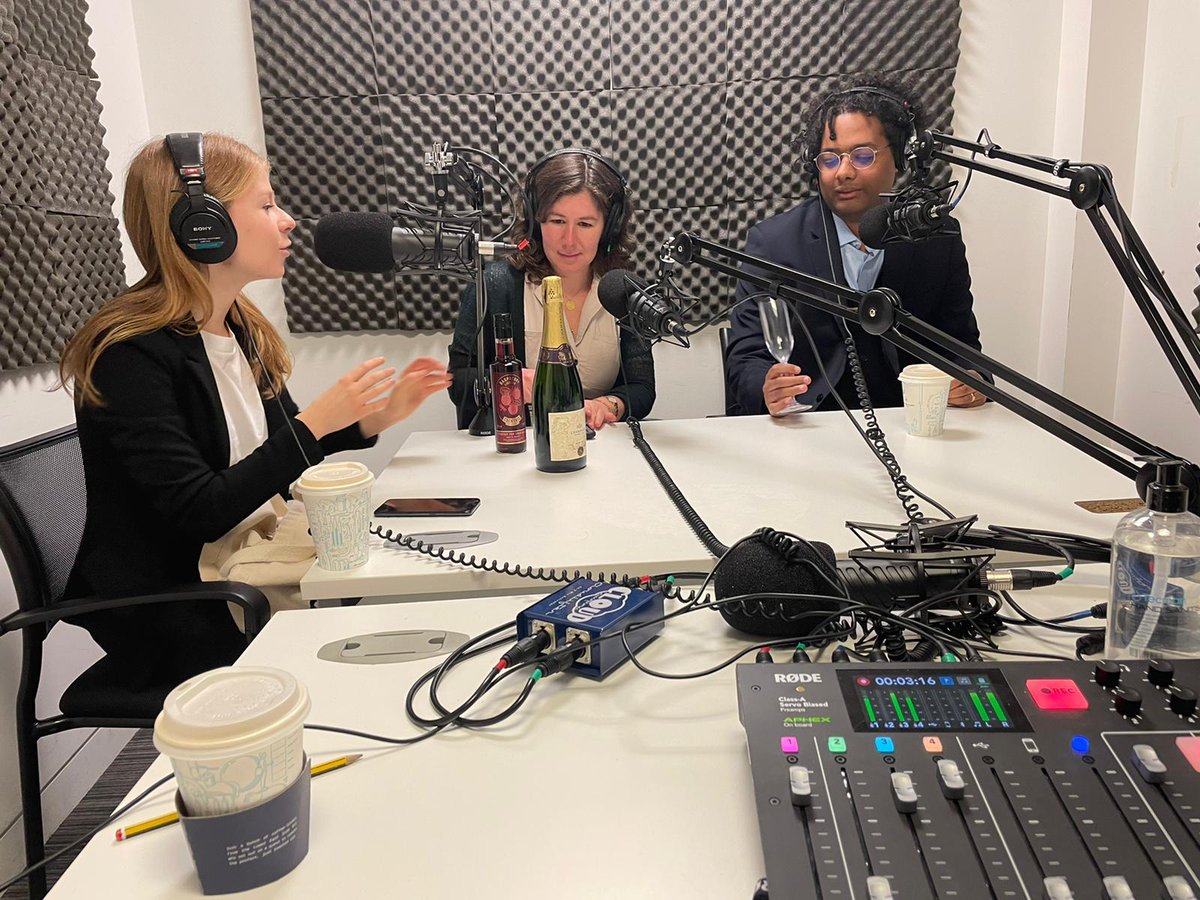
Ailbhe Rea: The Essential Voice in Modern Political Journalism
In the bustling, often opaque world of Westminster politics, where spin and spectacle can overshadow substance, a clear and insightful voice cuts through the noise. That voice belongs to Ailbhe Rea, a political journalist whose work has become indispensable for anyone seeking to understand the real forces shaping British government. From the corridors of the House of Commons to the pages of leading publications, her career trajectory offers a masterclass in building authority through rigorous reporting, intellectual honesty, and a unique talent for humanizing the political process. This article explores the journey, methodology, and profound impact of Ailbhe Rea, a defining correspondent of her generation.
The Formative Years and Educational Foundation
The path to becoming a prominent political commentator is rarely accidental, and for Ailbhe Rea, it was paved with a early passion for current affairs and a formidable academic background. Her time at the University of Cambridge, where she studied History, provided a critical framework for analyzing power structures and understanding the historical context of contemporary political battles. This scholarly grounding is often evident in her work, which situates daily political skirmishes within broader historical and ideological trends, offering depth that transcends the 24-hour news cycle. It was during these formative years that she honed the analytical skills that would later become her trademark.
Following Cambridge, she further specialized with a Master’s in Journalism from City, University of London, a course renowned for producing some of the UK’s top media talent. This combination of a deep academic discipline and practical journalistic training created a powerful foundation. It equipped her not just with the technical skills of the trade, but with the intellectual rigor to deconstruct complex policy debates and political maneuvering. This dual expertise allows the work of Ailbhe Rea to resonate with both political insiders and the general public, bridging a gap that many journalists struggle to cross.
Building a Career at The New Statesman
Her tenure as a political correspondent at The New Statesman marked a significant period in the career of Ailbhe Rea, where she truly established her voice and reputation. The publication’s long-standing commitment to in-depth political and cultural commentary provided the perfect platform for her talents. Here, she moved beyond basic reportage, producing feature-length analyses and profiles that explored the personalities and philosophies driving the UK’s political landscape. Her work during this era helped define the modern New Statesman, blending sharp political insight with a accessible narrative style.
It was at The New Statesman that she began her acclaimed weekly newsletter, which quickly became a must-read for Westminster insiders and politically engaged citizens alike. The newsletter showcased her ability to synthesize a week’s worth of chaotic political events into a coherent and compelling narrative, often highlighting the underlying tensions and strategic blunders that others missed. This direct channel to her audience cemented her role not just as a reporter, but as a trusted interpreter of the political scene, a function that would become central to her professional identity.
The Westminster System Explained
To fully appreciate the work of a journalist like Ailbhe Rea, one must understand the unique ecosystem she operates within: the Westminster system. This model of parliamentary government, originating in the UK, is characterized by a fusion of powers between the executive and the legislature, with the government being drawn from and accountable to the elected House of Commons. This creates a dynamic where parliamentary drama, confidence votes, and select committee scrutiny are as important as the policies themselves. Reporters like Rea are experts at navigating this specific terrain, decoding its rituals and reporting on its inner workings.
The system relies on conventions, unwritten rules, and the constant jostling for power between the governing party and His Majesty’s Loyal Opposition. A key part of political journalism in this context is explaining not just what is happening, but why it matters within the framework of these often-archaic rules. The work of Ailbhe Rea frequently illuminates these procedural nuances, making them understandable and revealing their profound implications for governance and accountability. She excels at showing how a seemingly minor parliamentary maneuver can signal a major shift in political fortune.
A Transition to Broadcasting and The BBC
A significant evolution in the career of Ailbhe Rea was her move into broadcasting, most notably as a presenter on the BBC’s Politics Live. This transition demonstrated her versatility and her ability to engage in the fast-paced, unscripted format of television debate. Where print journalism allows for deep reflection, live television demands quick thinking, clarity under pressure, and the skill to facilitate constructive discussion among often conflicting viewpoints. Her success in this arena proved that her analytical prowess was matched by her communicative dexterity.
Her role at the BBC expanded her reach, introducing her sharp political mind to a broader, more mainstream audience. On Politics Live, she became a familiar face guiding viewers through complex political developments, often acting as a referee between passionate panelists while ensuring the core facts remained central. This experience enriched her reporting, giving her a visceral feel for the public’s political concerns and the ways in which television shapes political narratives. It solidified her status as a multi-platform journalist, capable of excellence in both long-form writing and instant broadcast analysis.
The Art of the Political Profile
One of the most distinguished aspects of the work of Ailbhe Rea is her masterful execution of the political profile. She possesses a rare talent for moving beyond the public persona of a politician to uncover the motivations, contradictions, and human vulnerabilities beneath. Her profiles are not mere collections of quotes and career highlights; they are deeply researched character studies that explore the subject’s ideology, personal history, and relationships within their party. She approaches her subjects with a clear-eyed fairness, avoiding both sycophancy and unnecessary cynicism.
These profiles often become definitive reads on their subjects because they capture the individual at a specific moment in their political journey, set against the backdrop of wider party and national dynamics. She has a knack for identifying the central tension in a politician’s career—the gap between their ambition and their influence, or their public principles and their private compromises. Through meticulous interviewing and observation, the journalism of Ailbhe Rea builds a three-dimensional portrait that provides readers with unparalleled insight into the people who wield power.
Navigating the Modern Media Landscape
The contemporary media environment presents both unprecedented opportunities and significant challenges for a political journalist. The 24-hour news cycle, the dominance of social media, and the rise of partisan outlets create a cacophony that can obscure truth and amplify noise. In this landscape, the reporting of Ailbhe Rea stands out for its consistency and reliability. She leverages platforms like Twitter effectively to share insights and engage with stories in real-time, but her core work remains rooted in traditional journalistic values of verification and context.
She understands that in an age of information overload, the real value lies in curation, explanation, and analysis. Rather than simply breaking news, her role often involves explaining why a piece of news is significant, connecting disparate events to reveal a larger pattern, or debunking misinformation that circulates online. This approach builds trust with an audience that is increasingly skeptical of media motives. The career of Ailbhe Rea demonstrates how to thrive in modern media by embracing new tools without abandoning the fundamental principles of journalism.
The Role of a Political Correspondent
A political correspondent’s job extends far beyond appearing on television or having a byline in a prestigious magazine. It is a role built on a foundation of relentless sourcing, a deep understanding of procedure, and the physical presence within the seat of power. For Ailbhe Rea, this means spending countless hours in the Palace of Westminster, building relationships with MPs, advisors, and civil servants. This network of contacts is her lifeblood, providing the off-the-record briefings and whispered insights that form the background to public political discourse.
The second, equally critical part of the role is the translation of this acquired knowledge into accessible stories for the public. This is where expertise meets public service. A correspondent must decide what information is crucial for a functioning democracy to understand, and then present it in a way that is engaging and clear without being simplistic. The work of Ailbhe Rea exemplifies this balance, acting as a crucial conduit between the closed world of Westminster and the citizens whose lives are affected by its decisions every day.
Key Themes and Recurring Interests
Throughout her body of work, several key themes emerge as central to the reporting of Ailbhe Rea. A persistent focus is the internal dynamics of the Labour Party, tracking its ideological evolution, its factional battles, and its struggle to present a cohesive identity to the electorate. She has chronicled its journey from the Corbyn era to the Starmer leadership with a nuanced understanding of the personalities and principles at stake. This deep dive into a major political institution provides a microcosm through which to view broader shifts in British politics.
Hugo Bachega Accent Explained: The BBC Journalist’s Global Voice
Another recurring interest is the intersection of gender, power, and politics. She often explores the unique challenges faced by women in Westminster, from media representation to the culture within parliament itself. Furthermore, she has a keen eye for the rising stars and behind-the-scenes operators who shape political outcomes, often profiling them long before they become household names. These thematic through-lines give her journalism a cohesive intellectual project: a sustained inquiry into who holds power in Britain, how they attained it, and how they choose to wield it.
Impact and Influence on Public Discourse
The true measure of a journalist’s success is their impact on the public conversation, and by this metric, the influence of Ailbhe Rea is significant. Her reporting doesn’t just follow the news; it often sets the agenda for political insiders. A profile or an analysis piece from her can redefine how a politician is perceived within Westminster, highlighting their strengths or exposing their vulnerabilities in a way that resonates through the media ecosystem. Her insights are frequently cited and debated, a testament to their authority.
Beyond the Westminster bubble, she plays a vital role in educating and informing the electorate. For many engaged citizens, her writing and commentary provide the necessary context to make sense of seemingly chaotic political events. By explaining the “why” behind the “what,” she empowers her audience to be more informed participants in democracy. The career of Ailbhe Rea is a powerful argument for the value of specialist journalism in an era often dominated by generalists and aggregators.
A Comparative Look at Political Journalism Styles
The landscape of UK political journalism is diverse, with different correspondents bringing unique styles and focuses to their work. Understanding these differences helps to situate the specific contribution of Ailbhe Rea.
| Journalist | Primary Platform | Stylistic Focus & Key Strengths | Distinctive Trait |
|---|---|---|---|
| Ailbhe Rea | New Statesman, BBC | In-depth personality profiles, ideological analysis, narrative synthesis of weekly events. | Deep, character-driven storytelling that explores the human motives behind political decisions. |
| Laura Kuenssberg | BBC | Breaking news, insider Westminster gossip, immediate reaction to political developments. | Unparalleled sourcing within the highest levels of government, providing real-time scoops. |
| Robert Peston | ITV, Podcast | Economic policy focus, “big picture” analysis of market and political trends, explanatory journalism. | A distinctive presentation style and a focus on the intersection of finance, business, and politics. |
| Beth Rigby | Sky News | Forensic interviewing of politicians, holding power to account, analysis of electoral strategy. | A direct and persistent interviewing technique that often elicits revealing answers from subjects. |
The Importance of Trust and Credibility
In a profession where access is currency, maintaining independence is one of the greatest challenges for a political journalist. The credibility of Ailbhe Rea is built on her demonstrable independence from any single political faction. While she possesses deep knowledge of the Labour Party, her reporting is not seen as partisan; it is critical, fair, and applied with equal rigor to all sides of the political spectrum. This objectivity is essential for building trust with a diverse audience and with sources across the political divide.
This trust is her most valuable asset. Readers believe her reporting because she has consistently shown a commitment to accuracy and intellectual honesty, even when the conclusions are inconvenient for one political tribe or another. In an era of “fake news” accusations and declining public faith in institutions, the reputation of a journalist like Ailbhe Rea becomes a beacon of reliability. She embodies the principle that a journalist’s primary allegiance is to the audience, not to their sources or to a political agenda.
The Future of Political Reporting
The field of political journalism is not static, and its future will be shaped by technological change and evolving audience habits. The work of Ailbhe Rea already points towards one likely future: a blend of deep, long-form analysis distributed through modern channels like dedicated newsletters and social media. The success of her own newsletter suggests a growing audience appetite for curated, intelligent content that provides more value than the relentless churn of breaking news alerts.
Furthermore, the increasing importance of audio journalism through podcasts offers another avenue for the kind of nuanced conversation at which she excels. The future will likely demand even greater versatility, but the core skills she embodies—curiosity, rigor, and clear communication—will remain paramount. As one industry observer noted, “The platforms may evolve, but the demand for authoritative voices who can decode complexity will only grow.” The career of Ailbhe Rea provides a model for how to adapt without compromising depth.
A Lasting Legacy in the Making
While her career is still very much in its ascendancy, the contours of the legacy of Ailbhe Rea are already becoming clear. She represents a new generation of political journalists who are as comfortable on a screen as they are on a page, and who understand the importance of connecting with an audience beyond the traditional political elite. Her work has raised the standard for political profiling, showing that the most compelling political stories are often human stories about ambition, belief, and power.
She has also become a role model for aspiring journalists, particularly young women, demonstrating that it is possible to build a career on intelligence and integrity. By combining scholarly depth with journalistic flair, she has carved out a unique and essential space in the UK’s media ecosystem. The ongoing work of Ailbhe Rea continues to shape how Britons understand their politics and, by extension, their country.
Conclusion
From her academic beginnings to her current status as a leading voice in British political media, the journey of Ailbhe Rea is a testament to the enduring power of sharp analysis and compelling storytelling. In a landscape often crowded with noise and partisan shouting, her work stands as a beacon of clarity, depth, and intellectual honesty. She has mastered the difficult art of making Westminster politics intelligible and fascinating without sacrificing its complexity, serving as a vital link between the corridors of power and the public.
Her multifaceted career, spanning prestigious print publications and major broadcast networks, offers a blueprint for the modern political correspondent. Through her definitive profiles, her insightful weekly newsletters, and her poised television presentations, she has not just reported on the political events of her time; she has helped define them. As British politics continues to navigate a period of profound change, the need for journalists of the caliber of Ailbhe Rea—curious, rigorous, and trusted—has never been greater.
Frequently Asked Questions
What is Ailbhe Rea’s current role?
Ailbhe Rea currently serves as a political journalist and presenter, having built a significant reputation through her work at The New Statesman and later as a presenter on the BBC’s Politics Live. She is widely recognized for her in-depth political profiles and her influential weekly newsletter that analyzes the UK’s political landscape.
How do you pronounce Ailbhe Rea?
The name Ailbhe Rea is of Irish origin. “Ailbhe” is pronounced “AL-va,” rhyming with “salver.” Her surname, “Rea,” is typically pronounced “RAY.” Correctly pronouncing a journalist’s name is a small but meaningful sign of respect for their work and heritage.
What makes Ailbhe Rea’s journalism style unique?
The journalism of Ailbhe Rea is distinguished by its deep focus on political personalities and ideology, blending rigorous reporting with a narrative, almost literary style. She excels at creating detailed character studies of politicians that reveal their motivations and contradictions, providing a human dimension to the often-abstract world of policy and power.
Where can I read Ailbhe Rea’s work?
While much of her foundational work is available in The New Statesman archives, her current writing is best accessed through her popular weekly newsletter. She also makes regular appearances as a political commentator on BBC programs, where she provides analysis on the day’s leading political stories.
Why is Ailbhe Rea considered an authority on UK politics?
Ailbhe Rea is considered an authority due to her deep sourcing within Westminster, her historical and intellectual grasp of political trends, and her consistent track record of insightful and accurate reporting. Her ability to explain complex political maneuvers in an accessible yet sophisticated way has earned her the trust of both the public and her peers in the media.
About the Author