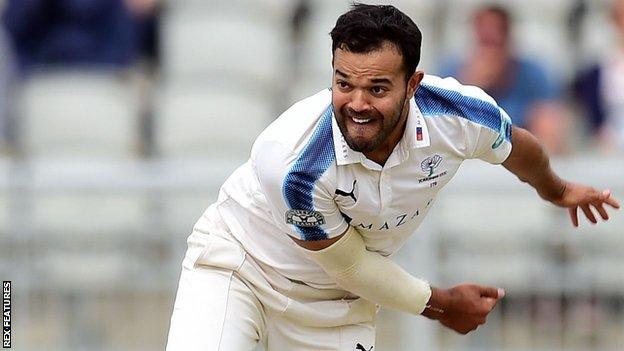
Azeem Rafiq: The Catalyst for Cricket’s Unavoidable Reckoning
The world of cricket, long romanticized for its traditions and gentlemanly spirit, was shaken to its core by the courageous testimony of one man: Azeem Rafiq. His name, once known primarily within Yorkshire cricket circles, became a global shorthand for a profound cultural crisis. Rafiq’s allegations of institutional racism at Yorkshire County Cricket Club ignited a firestorm that spread far beyond the boundary rope, forcing the sport to confront ugly truths it had long ignored. This is not just a story about one player’s distressing experiences; it is a complex narrative about power, accountability, and the painful process of institutional change. The saga of Azeem Rafiq represents a pivotal moment, a before-and-after marker in cricket’s history, compelling governing bodies, fans, and players to ask difficult questions about the game’s soul. His journey from a promising young spinner to the most prominent whistleblower in British sport reveals the systemic failures that can fester when organizations prioritize reputation over people. This comprehensive account explores the full arc of the Azeem Rafiq case, its intricate details, the seismic repercussions, and the unfinished journey toward a truly inclusive sport.
The Early Career and Promise of a Young Spinner
Azeem Rafiq’s story begins with a deep love for cricket, a passion that saw him rise as a talented off-spinning all-rounder. Born in Pakistan, he moved to England at a young age and quickly progressed through the ranks, captaining England at the Under-15 and Under-19 levels. His early career was marked by significant promise, notably leading Yorkshire to their first County Championship title in 13 years as the club’s youngest-ever captain in 2012. At this stage, Azeem Rafiq was viewed as a future mainstay for the county, a local success story emblematic of modern, multicultural Britain.
However, beneath the surface of these achievements, Rafiq later described feelings of isolation and otherness. He spoke of constant microaggressions and the pressure to assimilate, to downplay his cultural and religious identity to fit into the club’s established environment. The early camaraderie he felt began to fracture, setting the stage for the profound disillusionment that would follow. His initial journey reflects a common, yet often unspoken, narrative for many athletes from minority backgrounds in traditionally homogenous sports cultures.
The Allegations Emerge: A Whistleblower’s Decision
The first public cracks appeared in 2020 when Azeem Rafiq, in an interview with Wisden, detailed the racist abuse he endured during his two stints at Yorkshire CCC. He described a culture where racist language was casually normalized, where he was frequently referred to by a derogatory term for Pakistani people by teammates and staff. Rafiq alleged that such incidents were not isolated but part of a pervasive, toxic environment that the club’s leadership failed to address. His decision to speak out was a monumental risk, jeopardizing his future in the sport and inviting immense public scrutiny.
Rafiq’s initial allegations were met with a delayed and defensive response from Yorkshire CCC. The club commissioned an independent investigation, but the process was criticized for its lack of transparency and urgency. For over a year, the findings remained private, and Rafiq felt his experiences were being minimized. This period of institutional inertia only deepened the crisis, fueling public and media pressure. The whistleblower’s path chosen by Azeem Rafiq highlighted the immense personal cost of challenging powerful sporting institutions.
Yorkshire CCC’s Investigation and the Infamous Report
In September 2021, Yorkshire CCC finally released a summary of the report from the independent investigation. In a stunning admission, the club acknowledged Rafiq had been a victim of “racial harassment and bullying.” However, the summary concluded that no individual would face disciplinary action, a decision that sparked widespread outrage. The report’s handling, perceived as an attempt to bury the severity of the findings, became a scandal in itself. It revealed a failure of moral leadership and a prioritization of corporate reputation over justice.
The public and political backlash was immediate and fierce. Politicians, former players, and sponsors condemned the club’s response. Key sponsors, including Nike and Yorkshire Tea, severed ties with the county. The England and Wales Cricket Board (ECB) suspended Yorkshire’s right to host international matches, a massive financial and reputational blow. The report, intended to manage the crisis, instead amplified it, demonstrating that institutional protectiveness in the face of credible racism allegations was no longer tenable in the modern era.
Parliamentary Testimony: A Nation Listens
The defining moment in the entire saga came on November 16, 2021, when Azeem Rafiq gave emotionally charged evidence before the UK Parliament’s Digital, Culture, Media and Sport (DCMS) select committee. For over an hour, he delivered a raw, powerful account of the abuse that left MPs visibly moved. He described the devastating personal consequences, including the loss of an unborn child, which he linked to the immense stress of his ordeal. His testimony was not just a list of incidents; it was a human story of broken dreams and profound personal trauma.
Rafiq’s committee appearance was a masterclass in impactful testimony. He was measured, detailed, and devastatingly credible. He named individuals, including high-profile former England captain Michael Vaughan, and outlined the club’s systemic failures. The session was broadcast live, forcing the nation to listen. It transformed the story from a sports news item into a major national conversation about racism, institutional failure, and corporate accountability. The courage shown by Azeem Rafiq in that room changed the trajectory of the scandal irrevocably.
The Ripple Effect Across English Cricket
The fallout from Rafiq’s testimony was swift and far-reaching. Yorkshire CCC’s entire leadership—chairman, chief executive, and several board members—resigned within days. The ECB launched its own full regulatory investigation and overhauled its discrimination codes. More significantly, a wave of other players from various counties came forward with their own stories of experiencing racism, indicating that the problem was not confined to Yorkshire. The sport was forced into a moment of collective introspection.
Governing bodies initiated multiple independent reviews into dressing room culture across the country. The ECB’s “Inspiring Generations” strategy was critically examined for its inclusivity failings. The scandal exposed a stark gap between cricket’s public-facing diversity initiatives and the lived experiences of many players within professional academies and first-team environments. The case of Azeem Rafiq acted as a catalyst, breaking a dam of silence and creating a space for others to share their truth, thereby revealing the scale of the challenge facing the sport.
Key Figures and Public Reactions
The scandal implicated several prominent figures. Former England players like Gary Ballance admitted using racial slurs, describing it as “banter” within their friendship—a characterization Rafiq forcefully rejected. Michael Vaughan, identified by Rafiq, repeatedly denied the allegations. The public and media discourse became polarized, often reflecting broader societal debates about cancel culture, historical context, and the definition of racism. High-profile commentators, journalists, and former players took sides, adding layers of complexity to the narrative.
Public reaction was largely supportive of Rafiq, though he also faced significant online abuse and vilification from certain quarters. The role of the media was crucial; investigative journalism by outlets like ESPNcricinfo kept the story alive, while some traditional sports media were accused of initially downplaying the allegations. The intense scrutiny on every individual named created a fraught atmosphere, illustrating the personal and professional devastation that can unfold when long-hidden truths are forcibly brought into the light.
Legal and Regulatory Outcomes
The regulatory process unfolded slowly. The ECB charged Yorkshire CCC and several individuals with bringing the game into disrepute. After lengthy hearings, Yorkshire pleaded guilty to four amended charges, while cases against individuals, including Vaughan, proceeded. In a high-profile decision in March 2023, the Cricket Discipline Commission (CDC) panel found Vaughan not guilty of using racist language. This outcome was celebrated by Vaughan but highlighted the difficulty of proving historical allegations to a legal standard years after the events.
Other individuals faced suspensions and fines. The legal proceedings underscored the tension between a regulatory process seeking definitive proof and the nuanced, often corrosive, reality of institutional racism. For many observers, the not-guilty verdicts felt at odds with the overwhelming testimony of a toxic culture. The outcomes revealed the limitations of sporting disciplinary bodies in adjudicating complex social and historical issues, leaving a sense of unfinished justice for many who had followed the Azeem Rafiq case closely.
Impact on Cricket’s Culture and Diversity Initiatives
In direct response to the scandal, cricket launched numerous initiatives aimed at fostering inclusion. The ECB introduced mandatory equality, diversity, and inclusion (EDI) training for all professional players and staff. It strengthened reporting mechanisms and invested more in grassroots programs targeting diverse communities. Independent commissions, like the one led by ICEC (Independent Commission for Equity in Cricket), were established to conduct a root-and-branch review of the sport’s structures.
However, skepticism remains. Many argue that real cultural change requires more than policies and training modules; it demands a shift in power dynamics, leadership diversity, and a genuine willingness to listen to marginalized voices. The true test is whether the next generation of British Asian and Black cricketers feels authentically welcomed and valued. The legacy of Azeem Rafiq will ultimately be judged not by the reports written in the scandal’s wake, but by the lived experiences of young players in dressing rooms a decade from now.
Comparative Analysis: The Rafiq Case vs. Other Sporting Scandals
The Azeem Rafiq case shares DNA with other major cultural reckonings in sport, yet possesses unique characteristics. The table below places it in a broader context.
| Scandal / Case | Sport | Core Issue | Key Similarities to Rafiq | Key Differences |
|---|---|---|---|---|
| Azeem Rafiq & Yorkshire CCC | Cricket | Institutional Racism, Cultural Toxicity | Whistleblower-driven; exposed systemic failure; sponsor & fan backlash; led to independent reviews. | Deeply tied to historical club identity and English class/county structure. Focus on “banter” as a veil for abuse. |
| Football’s Child Sexual Abuse Scandal (2016-) | Football | Child Sexual Abuse, Institutional Failure | Historical abuse revealed by brave individuals; institutional cover-ups alleged; led to mandatory safeguarding overhauls. | Criminal sexual abuse vs. discrimination/harassment. Involved multiple clubs over decades. |
| NBA’s Donald Sterling (2014) | Basketball | Individual Owner Racism | Rapid, decisive action from league (forced sale). Highlighted the power of player and sponsor pressure. | Was an isolated, egregious incident by an owner, not a systemic club culture. Resolution was swift and clear. |
| Rugby’s Worcester Warriors Wasps Collapse (2022) | Rugby Union | Financial Mismanagement | Failure of governance and leadership at the highest level, devastating the club’s community. | Primarily a financial crisis, not a direct discrimination scandal, though with human cost. |
As sports law expert Dr. Samreen Rao observes, “The Rafiq case is distinctive because it pierced the myth of cricket’s inherent nobility. It wasn’t about one bad actor, but about how an entire institution could normalize discrimination, revealing the chasm between sport’s inclusive ideals and its exclusionary realities.” This distinction made it a uniquely challenging scandal to “solve.”
The Personal Toll and Ongoing Journey for Rafiq
For Azeem Rafiq himself, the process has been immensely draining. He has spoken openly about the impact on his mental health and the safety concerns for his family. While hailed as a hero and campaigner by many, he has also been subjected to relentless criticism and online hate. His transition from professional cricketer to full-time advocate has been fraught, and he has expressed a desire to eventually move on from the defining event of his life, acknowledging the personal cost of being a symbol.
His ongoing journey involves working with organizations to develop effective anti-racism policies and supporting other athletes facing discrimination. He has become a reluctant but powerful figurehead for change, a role he never sought. The story of Azeem Rafiq is, at its heart, a human one—a story of resilience in the face of profound adversity and a search for accountability that reshaped an entire sport.
The Global Implications for Sport Governance
The reverberations of this case were felt in cricket nations worldwide. Governing bodies in Australia, the West Indies, and South Africa were prompted to re-examine their own histories and current cultures. It sparked global conversations about the colonial legacy within cricket and how that history continues to influence power structures and attitudes in the modern game. The scandal served as a stark warning to all sports organizations about the consequences of ignoring discrimination.
The case elevated governance standards, putting board diversity, independent whistleblowing channels, and cultural audits on the agenda for every major sports franchise. It demonstrated that in the age of social media and corporate social responsibility, fans and sponsors will hold institutions accountable. The Azeem Rafiq saga provided a painful but essential blueprint for how not to handle allegations of systemic abuse, and conversely, what authentic accountability might begin to look like.
Conclusion: An Unfinished Innings for Change
The testimony of Azeem Rafiq marked not an endpoint, but a violent and necessary beginning. It forced English cricket, and the sporting world at large, to stare into a mirror it had avoided for generations. While significant action has been taken—leadership ousted, policies rewritten, investments made—the fundamental work of cultural transformation is a marathon, not a sprint. True change will be measured in the daily experiences of players from all backgrounds, in the diversity of coaching and executive suites, and in the erasure of the “othering” that Rafiq endured.
The legacy of Azeem Rafiq is sealed as the man who sparked cricket’s reckoning. His courage created a point of no return. The challenge now lies with the custodians of the game to ensure that this painful chapter becomes the foundation for a more equitable and honest future, where talent is the only prerequisite for belonging. The innings for lasting change is very much in play, and the world is watching.
Jack Draper: The Complete Story of Britain’s Tennis Prodigy and Future Champion
Frequently Asked Questions
What exactly did Azeem Rafiq accuse Yorkshire CCC of?
Azeem Rafiq made detailed allegations of institutional racism at Yorkshire County Cricket Club. He stated he was routinely subjected to racist slurs, most notably being referred to as a “P***” by multiple teammates and staff. He described a pervasive toxic culture where such language was dismissed as “banter,” and where leadership failed to act, creating an environment that left him feeling isolated and suicidal. His accusations spanned both of his playing periods at the club.
How did Yorkshire CCC initially respond to the allegations?
Yorkshire CCC’s initial response was widely criticized as inadequate and defensive. The club commissioned an independent report but delayed its release and then refused to publish it in full. When a summary was released, it confirmed Rafiq was a victim of racial harassment yet controversially stated no individual would face disciplinary action. This triggered a massive backlash from sponsors, the public, and politicians, leading to the eventual resignation of the entire senior leadership team.
What was the impact of Rafiq’s parliamentary testimony?
Rafiq’s DCMS select committee testimony was the turning point. His emotionally powerful, credible account broadcast live on national television transformed the issue from a sports scandal into a major national conversation about racism and corporate accountability. It generated immediate and immense political pressure, directly causing the mass exodus of Yorkshire’s board within days and compelling the ECB to take more decisive national action.
Has there been any legal action following the Azeem Rafiq case?
The primary actions have been regulatory, not criminal. The ECB brought disrepute charges against the club and individuals. Yorkshire CCC pleaded guilty to amended charges. A Cricket Discipline Commission panel later found former England captain Michael Vaughan not guilty of using racist language. The case highlighted the challenges of proving historical allegations in a disciplinary setting. Separately, Rafiq and the club reached a financial settlement over his employment tribunal claim.
What lasting changes have occurred in cricket because of this case?
The case triggered sweeping changes: a complete overhaul of the ECB’s discrimination codes, mandatory EDI training for all professionals, stronger whistleblowing channels, and the launch of the independent ICEC review. Culturally, it broke a long-standing silence, encouraging others to speak out and forcing continuous public scrutiny on inclusivity. The ultimate test of these changes is whether they create a genuinely welcoming environment for the next generation of diverse talent.
About the Author